
How Photo Booths Increase Brand Awareness at Trade Shows (Without Feeling Like Another Gimmick)
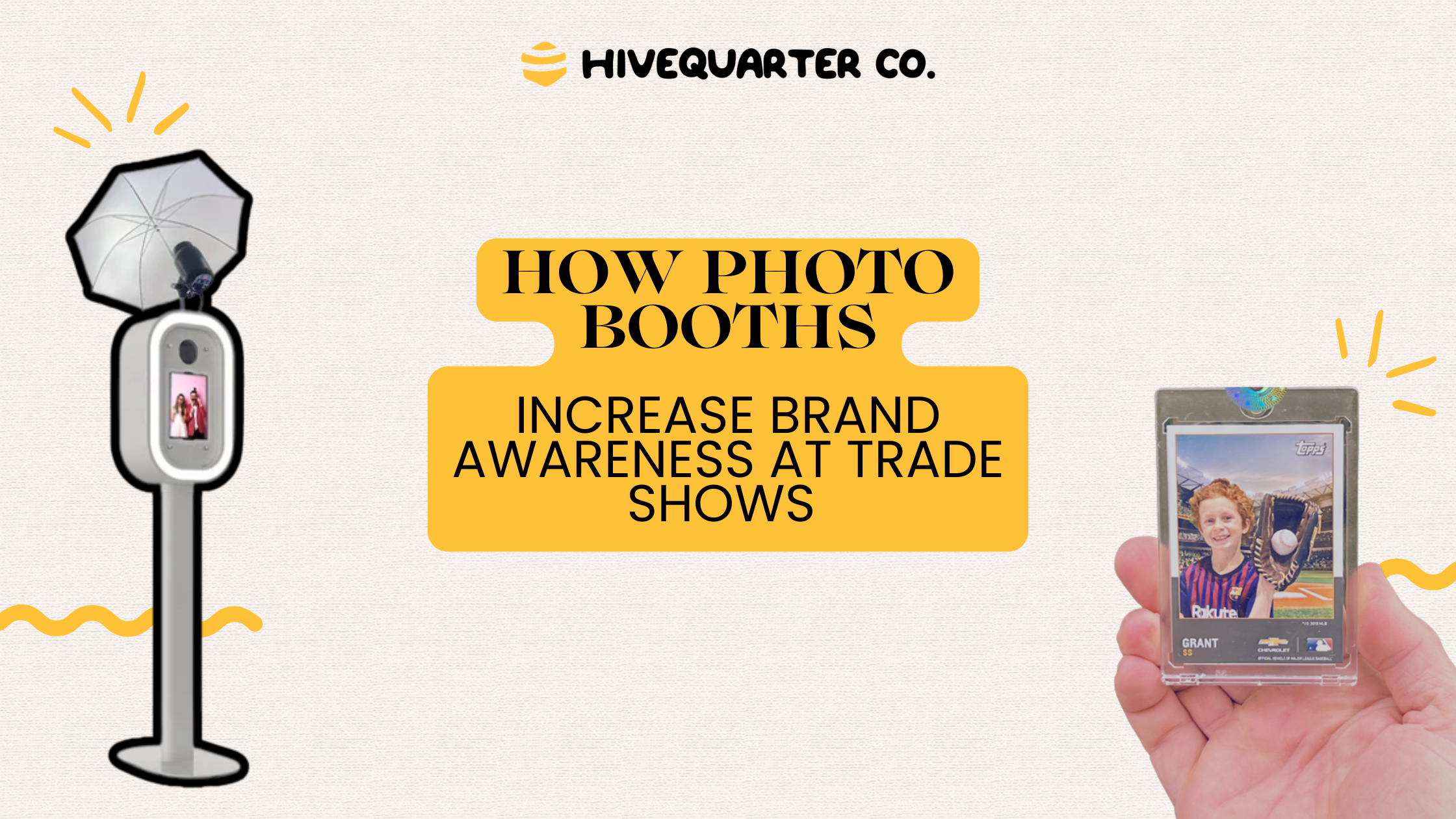
Trade shows are expensive. By the time you factor in booth space, travel, lodging, staffing, and collateral, most companies are easily spending $15K–$50K per event—and that’s conservative. Some are well into six figures.
And yet… most booths are forgettable.
Attendees walk past rows of banners, tables, and polite smiles. They grab a pen, maybe a tote bag, have a quick chat, and move on. A week later? They barely remember who they talked to.
So how do certain booths stick?
The ones people talk about later.
The ones they remember without being prompted.
From what we’ve seen working trade shows across Southern California, the difference usually comes down to one thing: they gave attendees an experience instead of another sales pitch. And photo experiences consistently outperform almost every other tactic for creating actual brand recall.
The Real Problem: Trade Shows Are Sensory Overload
The average attendee visits dozens of booths in a single day. By hour three, everything starts blending together—same setup, same script, same pile of swag.
It’s not that your brand isn’t interesting. It’s that their brain literally can’t hold onto that many similar interactions. When every booth offers a conversation and a brochure, none of them feel distinct enough to remember.
Traditional giveaways don’t solve this. Most items get tossed into a bag and forgotten. Even the nicer ones usually end up in a drawer with ten other branded items from the same event.
There’s no emotional connection, no moment tied to your brand. And without that, memory just doesn’t stick.
Why Photo Experiences Work (From a Human Perspective)
Photo booths flip the interaction from passive to active. Instead of receiving something, attendees are doing something. They’re laughing with coworkers, posing, reacting to the print, and sharing it. That participation makes the interaction feel personal instead of transactional.
That shift matters more than people realize. When someone participates in creating a moment, their brain attaches more weight to it. Your booth becomes “the one where we took that fun photo,” not just “one of the software vendors.”
That emotional anchor is what drives recall later. Not the pitch. Not the pamphlet. The moment.
Physical Keepsakes That Actually Stay Visible
One of the biggest differences we see with our magnet photo prints is longevity. A paper flyer gets recycled. A magnet ends up on a fridge, filing cabinet, or office whiteboard—places people see every day.
That means your brand doesn’t disappear when the show ends. It quietly stays in their environment, attached to a positive memory of the event. Over time, that repeated exposure builds familiarity in a way one conversation never could.
It’s subtle, but incredibly effective. And it feels earned rather than intrusive because the attendee chose to keep it.
Built-In Booth Traffic and Social Proof
There’s also a practical, on-the-floor benefit: activity attracts activity.
When people walk past a booth and see laughter, group photos, and movement, curiosity kicks in. It looks alive. It looks fun. It looks like something worth checking out. That alone can dramatically increase organic foot traffic without your team needing to flag people down.
The photo moment becomes a natural conversation starter, too. Your staff can engage casually while people are waiting or reviewing their prints. It feels organic instead of like an interruption.
Social Sharing Extends Your Reach
Another layer is what happens after the photo is taken. People love sharing moments from events—especially ones that feel fun or unique. When they post those photos, your brand travels with them to their professional network.
Instead of being limited to whoever physically walked the trade show floor, your presence expands to hundreds (sometimes thousands) of additional impressions. And because it’s coming from the attendee, it carries more credibility than any ad ever could.
The Strategy That Actually Works
Not all trade show photo activations are equal. The ones that work best are the ones that feel aligned with the brand and the audience.
Open-air setups tend to perform better on busy show floors because they’re visible and inviting. Subtle branding almost always beats oversized logos; people are more likely to display something that looks good rather than something that screams advertisement. And magnets consistently outperform paper prints because they’re durable and actually get kept.
We’ve also seen huge success with custom formats like custom trading cards. They tap into a collectible mindset and naturally spark conversations between attendees, which spreads brand impressions even further without additional effort from your team.
Turning Engagement Into Leads (Without Being Pushy)
One of the smartest ways to integrate photo experiences is using digital delivery as the natural lead capture point. After someone takes their photo, offering to text or email them the digital copy feels helpful, not salesy. They’re already excited about the experience, so opting in makes sense in context.
This tends to produce higher-quality leads because they’re based on a positive interaction rather than a forced badge scan. You’re starting the relationship with value first, then continuing the conversation afterward.
Why This Matters for ROI
When you zoom out, a photo experience is usually a small percentage of your total trade show spend. But it often drives a disproportionate share of what actually matters: traffic, engagement, recall, and follow-up conversations.
You’re not just adding entertainment to your booth. You’re creating a memorable touchpoint that cuts through the noise of a crowded show floor and gives people a reason to remember you later.
And at the end of the day, that’s the real goal. Not just collecting scans or handing out swag, but making sure that when attendees think back on the event, your brand is one of the few they can clearly recall—and associate with a genuinely good experience.
